
Follow :

Startup Landing Page Template

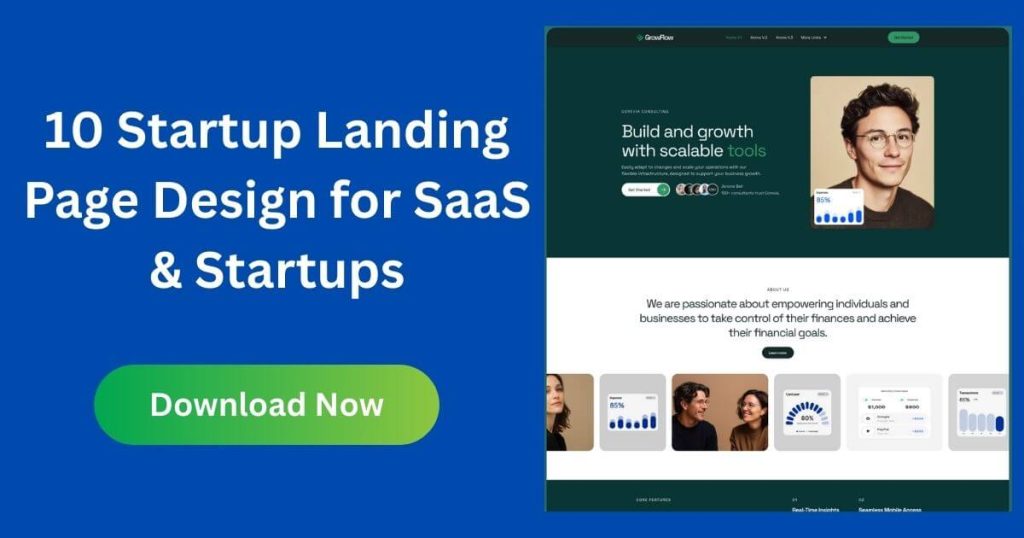
Modern startup landing page on desktop and mobile screens with clean design
Startup Landing Page

Startup Landing Page Design: 10+ Best Examples & Guide

 In today’s competitive digital space, a well-designed startup landing page can be When it comes to growing your startup, your landing page plays a pivotal role in the success of your online presence. A well-designed Startup Landing Page not only needs to capture attention but also needs to drive action—whether it’s capturing leads, gaining subscriptions, or making sales. For your landing page to be effective, it needs to be SEO-friendly. In this article, we will cover the key principles for creating an SEO-optimized startup landing page that enhances your visibility in search engines and boosts conversions. What Is a Startup Landing Page? A startup landing page is a simple webpage that shows up when someone visits a new business. It focuses on one clear goal, like getting people to sign up, learn about a product, or share their contact details. Startups use landing pages to attract visitors and encourage them to take action. This page is important, especially for new businesses in the early stages. It helps build an audience and get the word out about the brand. Think of it as the first impression of your business online. The landing page needs to be simple, clear, and focus on one thing. Whether you’re launching a new product, collecting email sign-ups, or building awareness, a well-made landing page can turn visitors into customers. why is a Startup Landing Page Important? A startup landing page is important for a few reasons. First, first impressions matter. When someone visits your landing page, it’s often the first time they see your brand. A clean, easy-to-read page makes a good first impression and helps visitors trust your business. Another reason a landing page is important is lead generation. It’s a great way to collect contact details. By offering something valuable, like a free trial or early access to a product, you can encourage people to share their information. This lets you build a list of people who are interested in what you offer. Landing pages also help startups test product ideas. Before spending money on ads or production, you can see if people are interested in your product. You can check how many people sign up or show interest, helping you decide if it’s a good fit for the market. Lastly, landing pages help you focus on one goal. Unlike a website with many pages, a landing page is designed to get visitors to do one thing, like signing up for a newsletter or buying a product. This focus makes it more likely that visitors will take action. In short, a startup landing page is a useful tool for new businesses. It helps you make a great first impression, collect leads, test your ideas, and stay focused. If done well, it can turn visitors into customers and help your business grow. What Are The Benefits of Startup Landing Pages? A startup landing page is a helpful tool for new businesses. First, it helps with lead generation. Offering things like free trials, discounts, or downloadable resources encourages visitors to share their contact information. This helps you build an email list, which is useful for reaching out to potential customers later. Another big benefit is higher conversion rates. Landing pages are simple and focused on one goal, like signing up for a newsletter or making a purchase. This clear focus makes it easier for visitors to take action compared to a regular website. Landing pages are also cost-effective. They are quick and easy to set up, which saves money. You can use landing pages for ads or social media campaigns without spending much. Plus, landing pages let you test product ideas. By seeing how many people sign up or show interest, you can know if a product is worth pursuing before investing too much. Another benefit is that landing pages help you focus on one goal. Unlike websites that have many sections, a landing page directs visitors to take just one action, like signing up or making a purchase. Landing pages also help build trust and credibility. You can add social proof, like customer reviews or well-known brand logos, to show that others trust your business. Landing pages help with SEO, too. Using the right keywords makes them appear higher in search results, which brings more visitors. You can track how your landing page is doing with analytics tools like Google Analytics. This helps you see what’s working and make improvements. Finally, landing pages are quick to set up. You can create a page for a product launch, special offer, or promotion in no time. They are also scalable and flexible. As your business grows, you can easily create new landing pages for different campaigns or products. In summary, startup landing pages help you attract leads, improve conversion rates, test ideas, and drive traffic. A well-designed landing page is a key tool for any new business looking to grow and succeed. 10+ Startup Landing Page Examples (What Successful Startups Do Right) 1. Gostart – Startup Landing Page Gostart is a modern landing page template made for startups. It’s perfect for SaaS, tech businesses, and new ventures. The design is clean and simple, making it easy for visitors to understand what your product does right away. The call-to-action (CTA) buttons are easy to find and guide users to take the next step, like signing up or exploring your product. The hero section explains your product’s value, while the product highlights and testimonials build trust. The template is responsive, meaning it looks great on desktops, tablets, and mobile devices. This is important because your landing page needs to work well on any device. The layout focuses on user experience, readability, and conversion, helping businesses collect leads easily. Gostart is also customizable. You can easily change the branding, colors, fonts, and content to match your style. You don’t need coding or design skills to make these changes. This makes it simple to make the landing page feel like your own. This template is perfect for MVP launches, SaaS
Startup Company Website Template
startup web template

Startup Company Website Template | Modern, Fast & SEO-Optimized

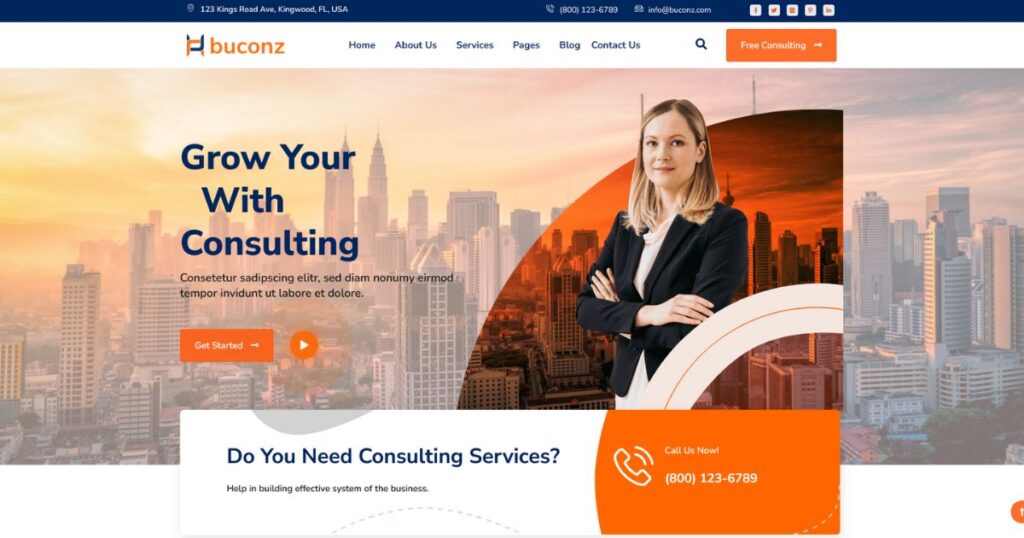
  Imagine you’ve just launched your dream startup. Everything is in place, but there’s one critical piece missing: a stunning website that showcases your brand to the world. You’re aware that first impressions matter, and in the digital realm, your website is your virtual handshake. But creating a professional site from scratch can be daunting and expensive. What if there was a way to simplify this process without compromising on quality or breaking the bank? That’s where a startup company website template comes in. These templates are designed to help you effortlessly build a website that not only looks great but also captivates your audience and drives growth. Dive in to discover how this powerful tool can be the game-changer your startup needs. Choosing The Right Startup Company Website Template Choosing the right template for your startup company website is crucial. It sets the first impression and affects user experience. A good template can make your website engaging and efficient. This section guides you in selecting the best one. Factors To Consider Start by assessing your startup’s needs. Does your website need e-commerce features? Consider the design style that suits your brand. Look for templates that offer customization options. Check the template’s loading speed. Fast websites keep visitors happy. Ensure the template is mobile-responsive. Most users browse on phones. Look for SEO-friendly options. Good SEO attracts more visitors. Popular Platforms WordPress offers numerous templates. It’s user-friendly and versatile. Squarespace is known for its sleek designs. Great for creative startups. Wix provides drag-and-drop features. It’s simple for beginners. Shopify caters to e-commerce needs. Perfect for online stores. Explore these platforms and see what fits best. Essential Features Creating a startup company website can be a challenging task. Choosing the right template is crucial. A well-designed template should have essential features. These features ensure usability, accessibility, and visibility. Let’s explore these vital elements that can elevate your startup’s online presence. Responsive Design Responsive design ensures your website adapts to any device. Users can access your site on smartphones, tablets, and desktops. A consistent look and feel across devices enhances user experience. It boosts engagement and reduces bounce rates. Responsive design also improves your website’s search engine rankings. User-friendly Navigation Navigation is key for a positive user experience. Clear and simple menus guide users through your site. Visitors find information quickly without confusion. Use intuitive labels for menu items. A user-friendly navigation increases the time spent on your site. It encourages exploration and interaction. Seo Optimization SEO optimization is crucial for visibility. It helps your website rank higher on search engines. Use relevant keywords throughout your content. Optimize titles and meta descriptions for search engines. Fast loading times and quality content improve SEO. A well-optimized site attracts more visitors. It helps potential customers find your business online. Design Aesthetics Design aesthetics play a crucial role in creating a startup company website template. A visually appealing website attracts visitors and keeps them engaged. A clean and modern design builds trust with potential clients. It reflects the brand’s identity and values. Thoughtful design choices enhance user experience and navigation. Let’s dive into the essential elements of design aesthetics. Color Schemes Color schemes set the tone of a website. They evoke emotions and create a visual identity. Choose colours that align with your brand message. Use contrasting colors to highlight important sections. A balanced color palette ensures readability and professionalism. Avoid too many colours to maintain visual harmony. Typography Choices Typography influences the readability of your website. Select fonts that are easy to read on all devices. Consider using sans-serif fonts for a clean look. Pair fonts to create hierarchy and interest. Ensure font sizes are consistent throughout the site. Proper typography enhances the user experience. Visual Elements Visual elements capture the attention of website visitors. High-quality images and graphics add depth and interest. Use icons to simplify complex information. Infographics enhance understanding and engagement. Video content can showcase your services and team. Optimize images for quick loading times to improve site performance. Content Strategy Crafting a content strategy for a startup company website template requires careful planning and clear goals. Focus on aligning content with the brand message and target audience. Prioritize simplicity and user experience to ensure visitors easily find information and engage with the site. Creating a successful startup company website involves more than just a sleek design. The heart of your site lies in its content strategy. It’s what keeps visitors engaged and ensures they understand your brand’s value. A well-thought-out content strategy will guide your audience through your site, answer their questions, and prompt them to take action. Let’s explore how you can craft an effective content strategy for your startup’s website. Crafting Compelling Copy Your website’s copy is like a handshake—it’s the first impression visitors get about your brand. Clear and concise language is essential here. Avoid jargon that might confuse your audience. Think about what makes your startup unique. Highlight that in your copy. Engaging content should speak to your audience’s needs and aspirations. What problem does your product or service solve for them? When I first launched a startup website, I realized the power of addressing the audience directly. It transformed visitors into potential customers. Would you like to see your engagement rates soar, too? Showcasing Product Or Service Your product or service is the star of the show. Make sure it’s in the spotlight. Use high-quality images and videos to provide a clear view of what you offer. A detailed description can enhance understanding. Include features, benefits, and real-world applications. Don’t just list features; explain why they matter to your audience. Consider adding a comparison table if your product has different versions. This can help visitors quickly decide which option suits them best. How effectively does your website showcase your offerings? Integrating Customer Testimonials Customer testimonials are powerful. They build trust and credibility. New visitors often rely on others’ experiences to make decisions. Add testimonials strategically throughout your site. Place them near relevant sections, like alongside

Scroll to Top